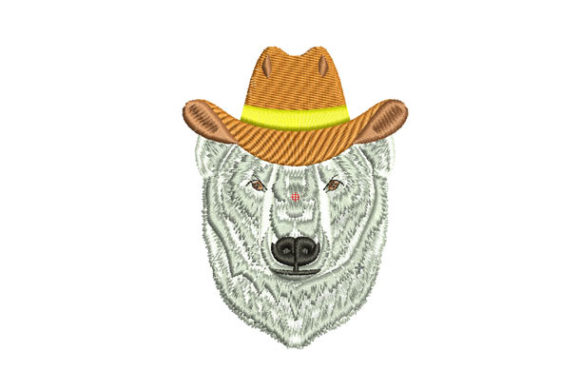
Cowboy Bear
A Bold Choice for Branding and Merchandise
As an experienced embroidery designer, I’ve had the chance to review countless designs for small business use. Cowboy Bear stands out as a versatile and eye-catching option that could elevate your brand’s visual identity. With its wild character and unique charm, this machine embroidery design offers a strong foundation for branded merchandise, patches, and custom apparel.
First Impressions: A Wild and Professional Design
From the first glance, Cowboy Bear exudes a sense of boldness and creativity. The design feels both playful and professional, making it suitable for a wide range of applications. Its rustic yet modern aesthetic appeals to businesses looking to blend handcrafted elements with contemporary branding. Whether you're running a café, boutique, or handmade shop, this embroidery file can help you create a memorable brand presence.
Real-World Use Cases for Cowboy Bear
Cowboy Bear is not just a decorative piece—it's a powerful tool for small business merch. Here are some practical ways to incorporate it into your product line:
- Embroidered Patches: Ideal for adding a wild twist to customer gifts, event memorabilia, or staff badges.
- Chest Logo Accents: Perfect for uniforms, aprons, or work shirts to reinforce brand visibility.
- Sleeve Details: Adds a unique touch to custom apparel without overpowering the overall design.
- Cap Embroidery: Makes a statement on caps, especially in outdoor or casual settings.
- Tote Bag Design: Offers a subtle yet impactful branding element for eco-friendly or promotional products.
- Product Packaging Accents: Enhances the look of your branded items with a consistent visual theme.
- Customer Gifts: Creates a memorable keepsake that aligns with your brand’s personality.
- Etsy Branding: Helps stand out in a competitive market with a distinctive embroidered logo.
- Commercial Embroidery Projects: Suitable for larger-scale production when paired with proper design assets.
Where to Use Cowboy Bear Carefully
While Cowboy Bear is versatile, there are certain scenarios where it might require careful consideration:
- Small Patch Sizes: Ensure the design doesn’t lose clarity at smaller dimensions.
- Cap Fronts: Check if the design fits well on curved surfaces without distortion.
- Tiny Lettering: Verify that any text remains legible even at reduced sizes.
- High Stitch Density: Be mindful of how intricate details may affect stitching time and quality.
- Detailed Outlines: Confirm that outlines remain sharp on textured fabrics.
- Dark Uniforms: Test thread color contrast to ensure visibility against dark backgrounds.
- Frequent Washing: Assess durability for items that undergo regular use or laundering.
Impact on Brand Identity and Customer Trust
Incorporating Cowboy Bear into your branding strategy can significantly enhance your brand identity. Its wild and creative nature helps differentiate your business from competitors while maintaining a level of professionalism. Customers often associate handcrafted designs with authenticity and care, which can build trust and loyalty.
Additionally, consistent use of this design across various products—such as tote bags, aprons, and caps—creates visual consistency, reinforcing your brand’s presence in the minds of your audience. This consistency also plays a key role in increasing buyer engagement and product value.
Practical Designer Notes for Using Cowboy Bear
Before moving forward with production, consider these essential steps:
- Test in Black and White: Evaluate how the design looks without color to ensure clarity and impact.
- Check Small Patch Size: Confirm that the design remains recognizable at reduced scales.
- Review Thread Color Contrast: Choose colors that provide optimal visibility on different fabric types.
- Inspect Spacing: Ensure there’s enough room for stitches to flow naturally without overcrowding.
- Confirm Hoop Size: Select a hoop that accommodates the design’s dimensions without distortion.
- Test on Real Fabric: Always perform a trial run to assess stitch quality and appearance.
- Use Proper Stabilizer: Prevent puckering or shifting by selecting the right stabilizer for your project.
- Create a Printable Mockup: Share a digital preview with clients for approval before finalizing.
- Compare with Other Design Assets: Ensure compatibility and visual harmony within your brand’s design system.
- Confirm Commercial Licensing: Always verify that you have the necessary rights for business use.
Final Thoughts on Cowboy Bear
Cowboy Bear is more than just an embroidery design—it’s a valuable asset for small business owners looking to make a lasting impression. Its ability to adapt to various applications makes it a flexible choice for both custom apparel and branded merchandise. By following best practices and considering real-world use cases, you can confidently integrate this design into your product line and strengthen your brand’s visual identity.