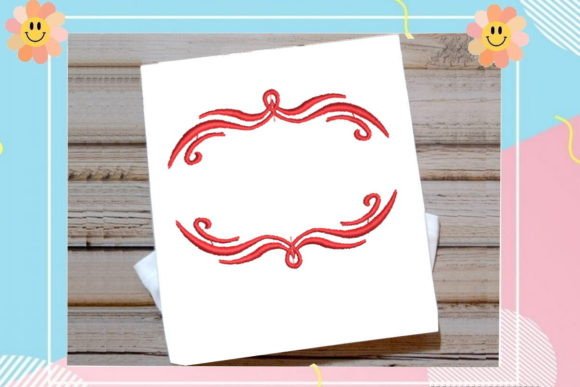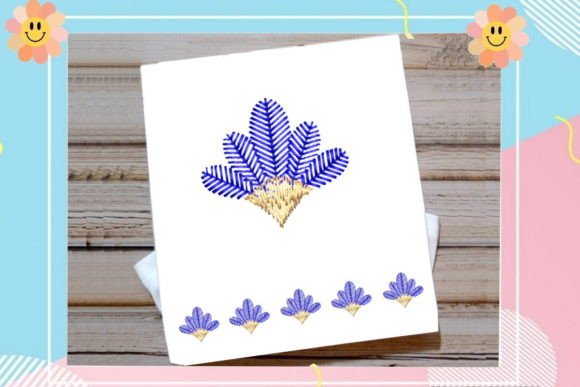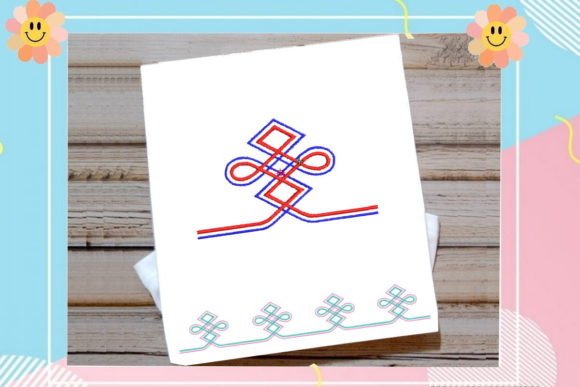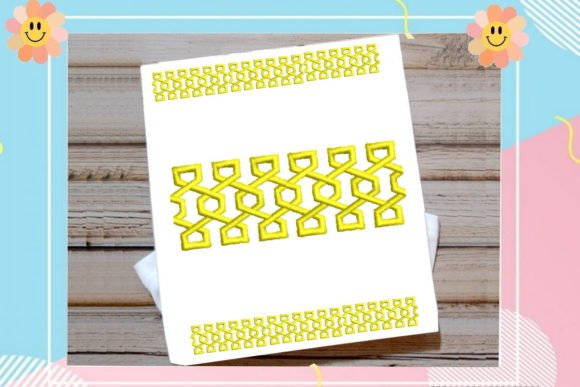
Line Border
A Sweet and Modern Embroidery Design for Craft Fair Success
As an experienced embroidery designer, I've had the pleasure of reviewing countless designs for craft fairs and handmade markets. Today, I'm evaluating Line Border, a high-quality embroidery design that promises to elevate any fabric with its sweet and modern aesthetic. Let's dive into what makes this design stand out in a competitive market.
First Impressions: Sweet, Modern, and Versatile
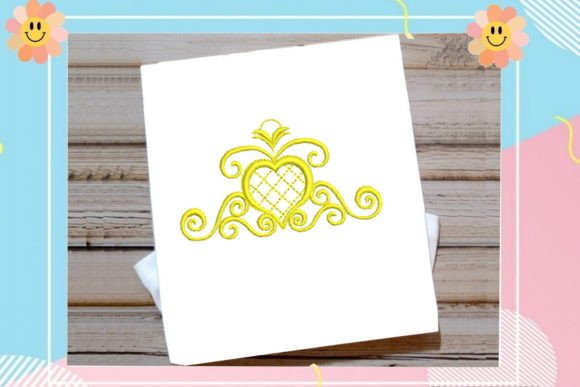
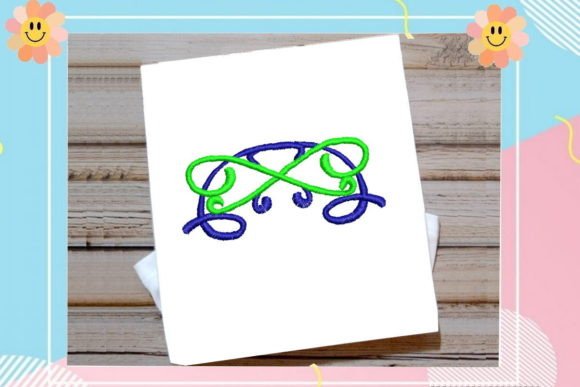
At first glance, Line Border feels like a perfect blend of simplicity and elegance. The clean lines and subtle details evoke a modern, minimalist vibe without being too stark. It’s versatile enough to work across a range of styles—whether you're aiming for farmhouse charm or a more contemporary look. This adaptability is a major plus when preparing products for a craft fair booth where variety is key.
Design Performance on Key Craft Fair Products
Line Border shines on a wide array of craft fair products, making it a strong contender for multiple product types. On tote bags, it adds a refined touch without overwhelming the fabric. Aprons benefit from its subtle presence, while tea towels gain a fresh, decorative element. For embroidered patches, the design works well as a small accent, offering a clean look that stands out on caps and fabric pouches.
Pillow covers and market bags also show off Line Border's strengths. Its linear pattern complements the texture of fabric, especially on items like textured towels or thick materials. When applied to caps, the design holds up well against curved surfaces, ensuring clarity and legibility. These practical applications make Line Border a reliable choice for both small shop products and commercial embroidery.
Selling and Production Practicality
One of the standout features of Line Border is its ease of understanding at a glance. This makes it ideal for customers browsing your booth or scrolling through Etsy listings. Whether used as a small accent or a larger focal point, the design maintains visual appeal without feeling cluttered.
Photographically, Line Border performs well, especially on light-colored fabrics. However, it’s important to note that dark fabrics may reduce its clarity. For online listings, creating a printable mockup is essential to showcase how the design looks in different contexts. This helps Etsy sellers and digital embroidery file users visualize the finished product before production.
When considering batch production, Line Border offers good repeatable potential. It’s designed to work well on multiple items, which is crucial for small shop products that need to be made in quantity. However, designers should test the design on scrap fabric to ensure stitch density and thread contrast are optimal. Using the right stabilizer can also help maintain quality during large-scale embroidery.
Careful Use Notes for Optimal Results
While Line Border is generally user-friendly, there are a few areas to watch for. Dense stitch areas may require careful handling to avoid puckering. Tiny details and small lettering might be challenging on thick or textured fabrics, so it’s best to test these aspects before mass production.
Additionally, designs that lose clarity at smaller sizes could affect the overall impact. Ensuring that the embroidery file is properly scaled and that the hoop size is appropriate for the project will help maintain the design’s integrity. Always confirm commercial licensing before selling finished products to avoid legal issues.
Visual Appeal and Customer Engagement
The visual appeal of Line Border is undeniable. Its modern yet sweet appearance draws customers in, making it a great addition to any craft fair display. When placed strategically on items like tote bags, aprons, and pillow covers, it creates a cohesive and attractive booth setup. This enhances brand consistency and increases buyer engagement.
Customers often look for products that feel handmade and unique. Line Border contributes to this perception by adding a touch of craftsmanship to each item. Whether displayed as booth samples or sold as gift-ready items, the design elevates the perceived value of the handmade product.
Embroidery Designer Tips for Success
To maximize the potential of Line Border, consider the following tips:
- Test the design on scrap fabric to assess stitch density and thread contrast.
- Review spacing and alignment to ensure the design looks balanced on all fabric types.
- Confirm the hoop size is suitable for the project to prevent distortion.
- Use the right stabilizer to maintain fabric stability during embroidery.
- Create at least one real mockup to preview the final product.
- Compare fabric colors to ensure the design looks its best in different contexts.
- Confirm commercial licensing before selling finished products.
These steps will help ensure that Line Border is not only visually appealing but also practical and profitable for your craft fair and handmade market ventures.